
Understanding Structured Surveillance Systems: A Smart Approach to Modern Security
In today’s fast-evolving digital landscape, security is no longer a luxury — it’s a necessity. Whether you own a small retail shop, manage a large corporate building, or oversee public infrastructure, implementing a structured surveillance system is one of the smartest steps you can take to protect assets, ensure safety, and gain valuable insights.
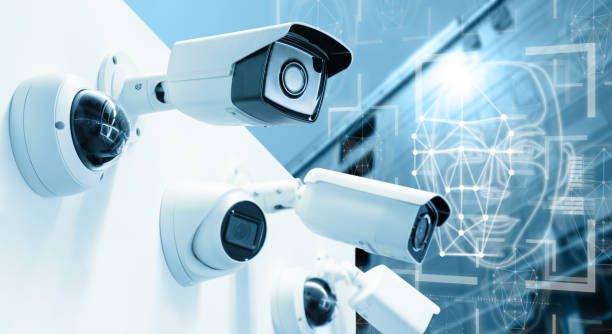
Let’s dive into what structured surveillance means, how it works, and why integrating CCTV and IoT technologies is the future of intelligent security solutions.
What is a Structured Surveillance System?
A structured surveillance system is more than just placing a few cameras around your property. It’s a well-planned, scalable, and interconnected network of security devices designed to monitor, record, analyze, and alert in real-time.
Key components usually include:
- High-definition CCTV cameras strategically installed based on a security risk assessment
- Network Video Recorders (NVRs) or Cloud Storage solutions for reliable recording
- Centralized management software or apps
- IoT-based smart sensors for motion, intrusion, or environmental monitoring
- Secure cabling or wireless connections with redundancy for uninterrupted service
How CCTV and IoT Work Together
Traditional CCTV systems have evolved. Today’s best surveillance setups use the Internet of Things (IoT) to add smart features that transform simple monitoring into proactive security management.
For example:
- Smart cameras use AI to detect unusual movement, count people, or recognize license plates.
- IoT motion sensors can trigger cameras or alarms when unexpected activity occurs.
- Cloud-connected systems allow owners to view live feeds or get instant alerts on mobile devices anywhere, anytime.
- Analytics tools can produce security reports, helping organizations make data-driven decisions.
Benefits of Structured Surveillance
Implementing a structured surveillance system offers numerous advantages:
- Enhanced Security: Continuous monitoring discourages theft, vandalism, and unauthorized access.
- Quick Response: Real-time alerts allow security teams to react faster to incidents.
- Smart Insights: Analyze patterns to optimize security staffing, improve traffic flow, or monitor compliance.
- Scalable & Future-Proof: A structured design makes it easier to expand coverage or integrate new technologies as your needs grow.
Where Structured Surveillance Systems Are Used
These systems are adaptable and can secure a variety of environments, including:
- Corporate offices and business parks
- Retail stores and shopping malls
- Schools and universities
- Banks and ATMs
- Industrial sites and warehouses
- Smart cities and public spaces
Key Considerations Before Installation
Before investing in a structured surveillance system, consider:
- The size and layout of the area to monitor
- Network and power infrastructure
- Legal compliance and privacy regulations
- Integration with existing security or building management systems
- Reliable vendors and certified installers
Conclusion
A structured surveillance system combines the reliability of traditional CCTV with the intelligence and connectivity of IoT — resulting in a safer, smarter, and more efficient way to protect people, property, and information.
Investing in modern surveillance today means peace of mind tomorrow.
Ready to upgrade your security?
Contact us to design a tailored surveillance solution for your home or business.